The Chalfonts Primary Care Network
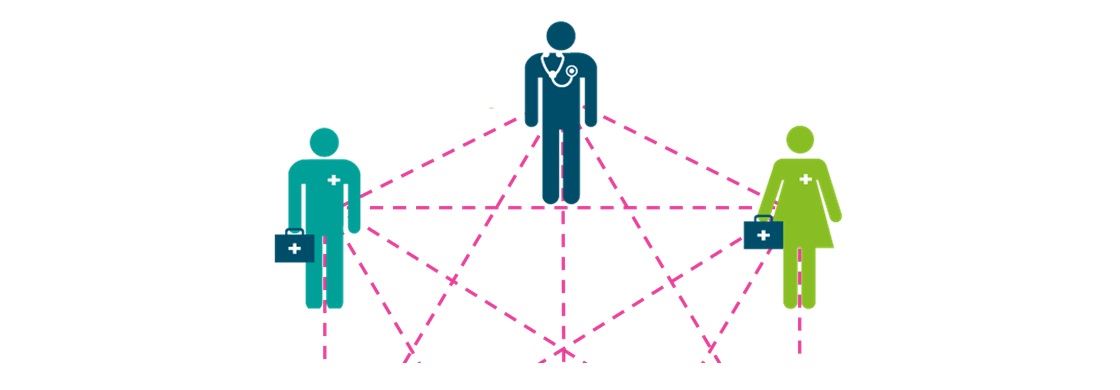
The Chalfonts Primary Care Network
The Chalfonts Primary Care Network (PCN) is made up of the three GP practices based in Chalfont St. Peter.
These are:
The Allan Practice
The Hall Practice
The Misbourne Surgery.
Our Clinical Director is Dr Ran Hettiaratchi
For more information on PCNs please see the animation and information below.
Non-urgent advice: What is a Primary Care Network?
Primary Care Networks (PCNs) were initially established on 1st July 2019, across England. PCNs consists of groups of GP practices that are in a local proximity. The aims of PCNs are to collaborate with other primary, community care staff and healthcare organisations, to deliver integrated services to their local communities and patients.
Take a look at this short animation from NHS England which explains how they work.
Important: Primary Care Network Animation
The Chalfont’s PCN – Who We Are
Misbourne Practice is proud to be part of the Chalfont’s Primary Care Network, alongside:
- The Allan Practice
- The Hall Practice
Together, we care for over 31,000 residents across Chalfont.
Our PCN Clinical Director is Dr Ran Hettiaratchi, GP Partner at Misbourne Practice.
Non-urgent advice: ✅ What Does This Mean for You?
Being part of a PCN means better access to care and more services, including:
- A wider range of healthcare options closer to home
- Integrated support from GPs, community teams, and specialists
- Help for complex conditions with coordinated care plans
- Your voice matters – we work with patient groups to shape services
Non-urgent advice: 👩⚕️ Specialist Roles in Our PCN
To give you the best care, we’ve introduced additional healthcare professionals into our practices:
- Clinical Pharmacists – Experts in medicines and managing long-term conditions
- PCN Paramedics – Rapid response for urgent needs, home visits, and minor illnesses
- Physician Associates – Supporting GPs with general medical care
- Social Prescribing Link Workers – Connecting you to community and wellbeing support
- Care Coordinators – Helping patients with long-term conditions navigate health and care services
Urgent advice: 💚 Our Commitment to You
Non-urgent advice: Physiotherapy in Chalfonts Primary Care Network
Musculoskeletal (MSK) health issues are the most common cause of repeat GP appointments and account for around 1 in 5 of all GP appointments. Most of them can be dealt with effectively by a physiotherapist without any need to see the GP.
What is a musculoskeletal first contact physiotherapist?
- First Contact Physiotherapists (FCPs) are advanced practitioners working within primary care with extensive expertise in the clinical assessment, diagnosis and management of musculoskeletal (MSK) conditions.
- FCPs see patients with (suspected or diagnosed) MSK conditions as the first point of contact, instead of a GP, and can be accessed directly by contacting the practice’s reception.
What do FCPs do during appointments?
- A typical FCP appointment involves assessment, diagnosis and first-line treatment. FCPs can also refer patients for a course of physiotherapy treatment, using the same pathways as GPs.
- As a person-centred service, most appointments include self-management advice, social prescribing, and discussions about physical activity and fitness for work.
How long are FCP appointments?
- FCP appointments are longer than typical GP appointments and 20 minute appointments allow for safe and effective consultation.
How can appointments be booked?
- As FCPs work with the practice, appointments can be made via your practice
Urgent advice: Primary Care Networks
Since the NHS was created in 1948, the population has grown and people are living longer. Many people are living with long-term conditions such as diabetes and heart disease, or suffer with mental health issues and may need to access their local health services more often.
To meet these needs, practices have begun working together and with community, mental health, social care, pharmacy, hospital and voluntary services in their local areas in primary care networks.
Primary care networks build on the core of current primary care services and enable greater provision of proactive, personalised, coordinated and more integrated health and social care. Clinicians describe this as a change from reactively providing appointments to proactively care for the people and communities they serve. Where emerging primary care networks are in place in parts of the country, there are clear benefits for patients and clinicians.
Refreshing NHS Plans for 2018-19 set out the ambition for CCGs to actively encourage every practice to be part of a local primary care network so that these cover the whole country as far as possible by the end of 2018/19. Primary care networks will be based on GP registered lists, typically serving natural communities of around 30,000 to 50,000. They should be small enough to provide the personal care valued by both patients and GPs, but large enough to have impact and economies of scale through better collaboration between practices and others in the local health and social care system.
Non-urgent advice: What is Social Prescribing?
Social prescribing is a way for local agencies to refer people to a link worker. Link workers give people time, focusing on ‘what matters to me’ and taking a holistic approach to people’s health and wellbeing. They connect people to community groups and statutory services for practical and emotional support.
Link workers also support existing community groups to be accessible and sustainable, and help people to start new groups, working collaboratively with all local partners.
Social prescribing works for a wide range of people, including people:
- with one or more long-term conditions
- who need support with their mental health
- who are lonely or isolated
- who have complex social needs which affect their wellbeing.
For further information on Social Prescribing - click here
Care Co-ordinators
Care coordinators provide extra time, capacity, and expertise to support patients in preparing for clinical conversations or in following up discussions with primary care professionals. They work closely with the GPs and other primary care colleagues within the primary care network (PCN) to identify and manage a caseload of identified patients, making sure that appropriate support is made available to them and their carers (if appropriate), and ensuring that their changing needs are addressed. They focus on the delivery of personalised care to reflect local PCN priorities, health inequalities or at risk groups of patients. They can also support PCNs in the delivery of Enhanced Health in Care Homes.
Page created: 29 June 2022